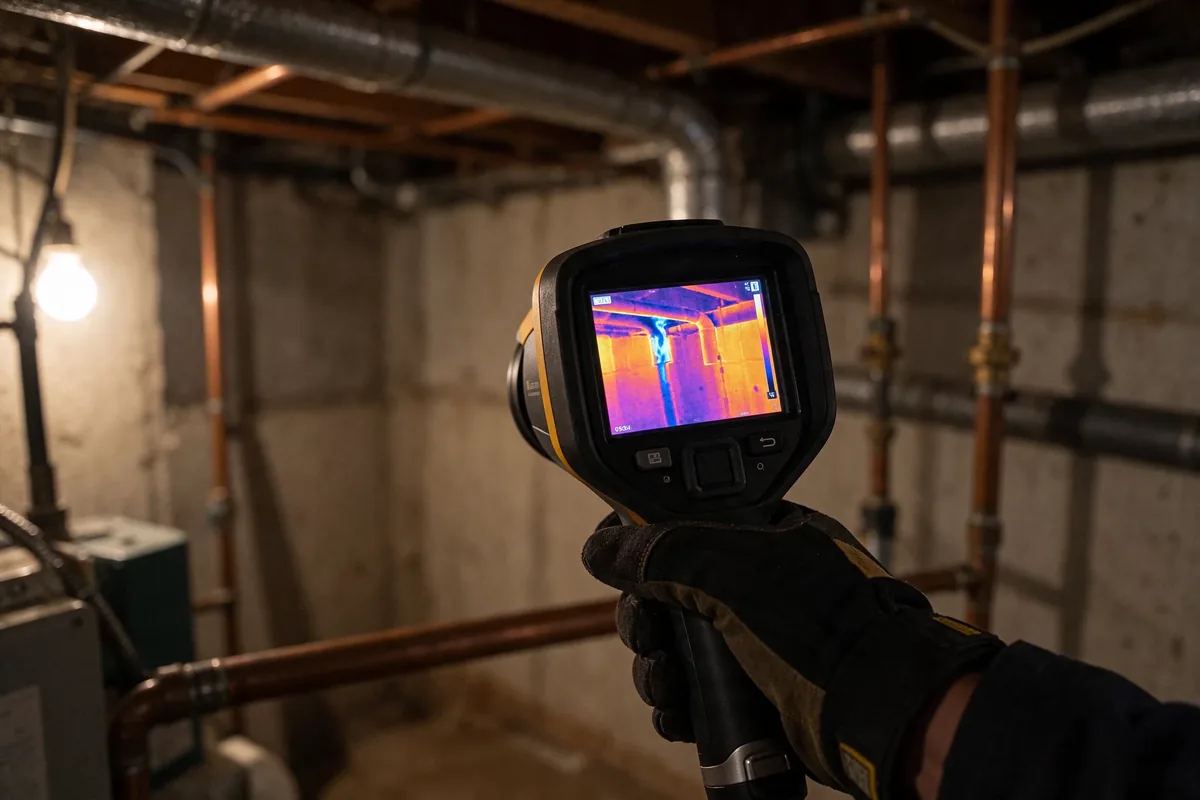
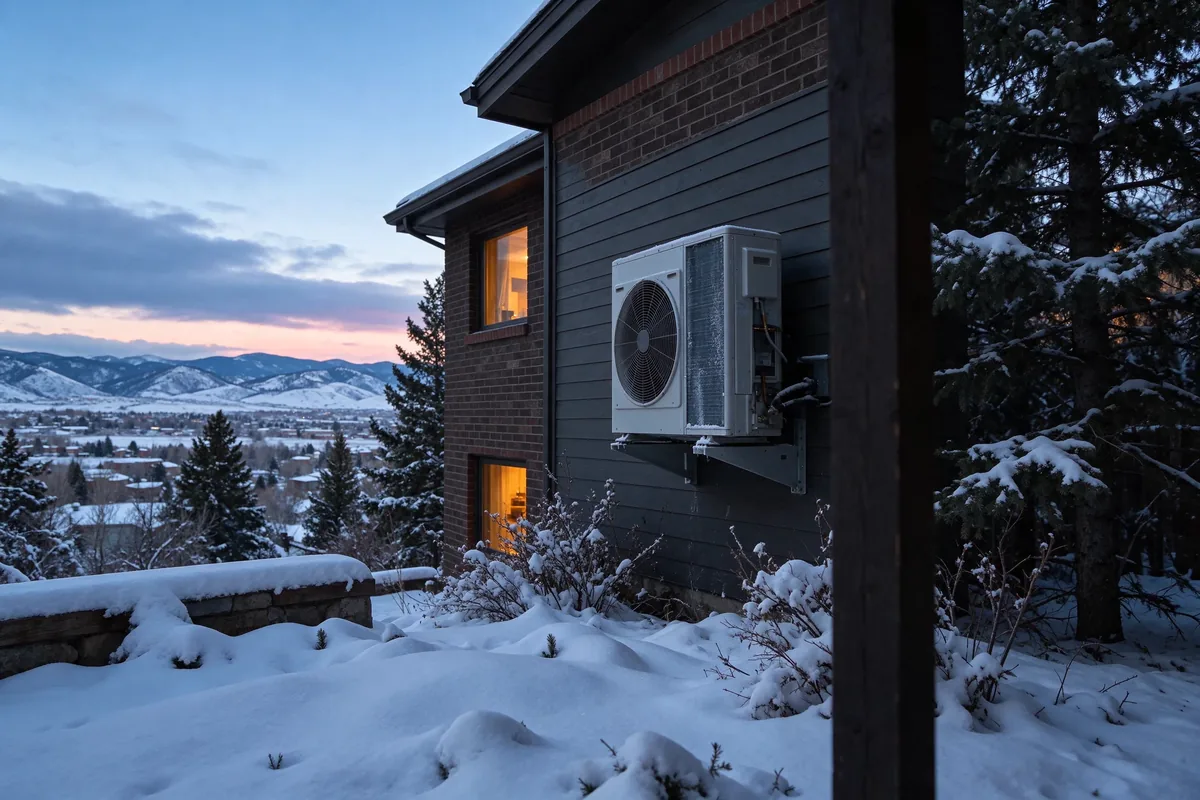
Heat pumps have moved from a niche option to a mainstream one in Denver, and the conversation around them has become louder and less useful at the same time. The useful version is narrower: at this altitude, in this climate, with this house, what does the equipment actually deliver in February?
The short answer is that modern cold-climate heat pumps handle Denver winters well when they are sized for the load, installed with the right controls and paired with a backup source that is genuinely sized for the coldest hours rather than treated as decoration. The longer answer is the rest of this piece.
Altitude changes the numbers, not the physics
At 5,280 feet, air density is roughly seventeen percent lower than at sea level. That affects airflow through the coil, combustion in gas equipment and the mass of air a fan can move at a given speed. Manufacturers publish altitude corrections, and a system commissioned without them will not hit its rated capacity. In practice, this means checking that the installer is adjusting airflow settings and verifying capacity against the corrected table rather than the brochure number.
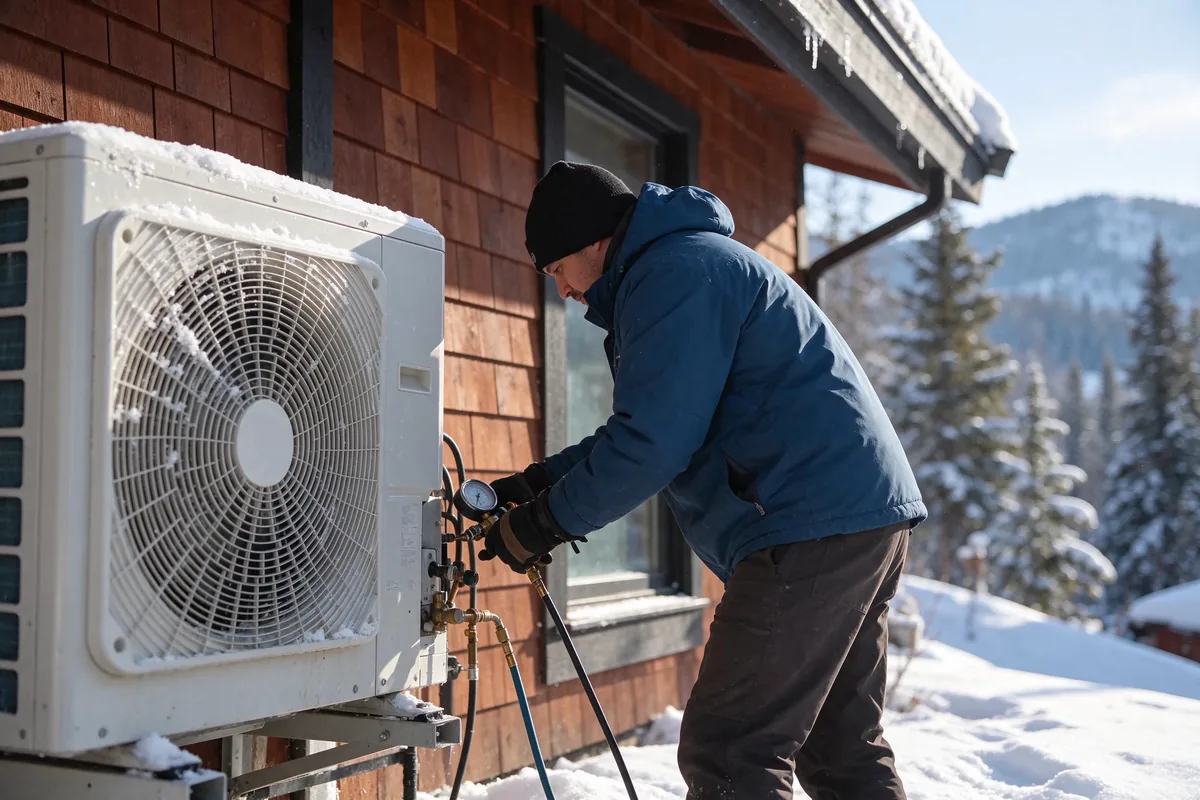
Altitude also affects refrigerant pressure relationships, which is why commissioning matters more here than in coastal markets. A system charged by weight alone, without verifying subcooling and superheat at altitude, can be off enough to lose capacity in cold weather and short-cycle in mild weather.
Defrost is the part homeowners notice
In heating mode, the outdoor coil runs colder than the air and collects frost. The system periodically reverses to melt it, which produces a puff of steam, a sound change and a brief pause in heating. That is normal. What is not normal is a unit that defrosts every twenty minutes, or one that stays frosted for hours.
Frequent defrost usually means a sensor issue, a refrigerant charge problem or a coil that is blocked by snow or debris. A heat pump buried in a drift will defrost constantly and deliver almost nothing. Raising the unit on a stand or wall bracket, keeping the discharge path clear and shoveling away from the coil are not cosmetic details — they are part of the system's rated performance.
Sizing for the load, not the square footage
Heat pump sizing is a load calculation, and in Denver the calculation has to account for altitude-corrected capacity, design temperature and the house's actual envelope. A unit that is oversized will cycle in mild weather, dehumidify poorly in summer and cost more to run. A unit that is undersized will lean on backup heat during cold snaps, which is expensive and uncomfortable.
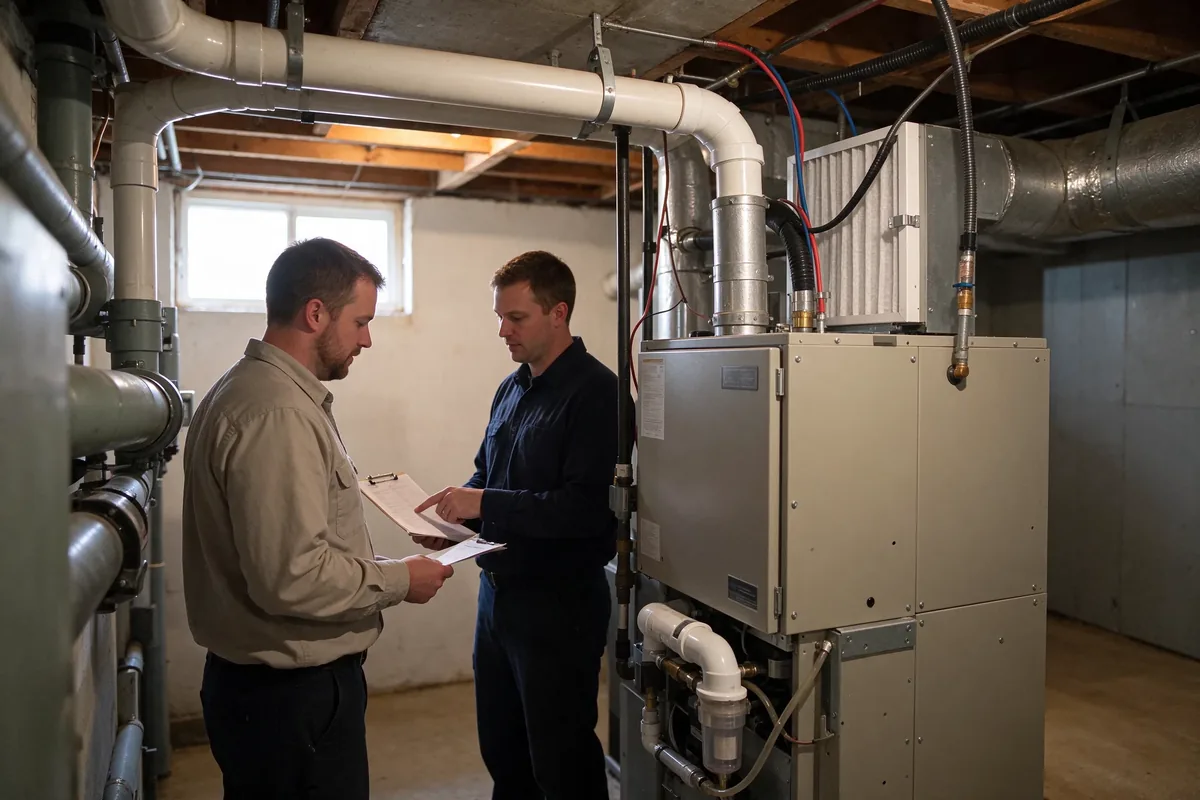
The right question is not "what size heat pump do I need" but "what is the design load at the 99 percent winter condition, and how much of it can the heat pump carry at the temperatures we actually see". Most Denver winters spend the majority of hours above twenty degrees, where a cold-climate unit operates efficiently. The handful of hours below zero are what backup heat is for.
Backup heat should be a plan, not an accident
Backup can be electric resistance, a gas furnace in a dual-fuel setup, or a hydronic coil. Each has a different operating cost and a different control strategy. The mistake we see most often is backup heat that comes on too early — at thirty degrees instead of five — because the changeover was never set. That single setting can double winter operating cost without the homeowner knowing why.
Controls should stage the heat pump first, lock out unnecessary auxiliary heat above a defined outdoor temperature and run a defrost-aware sequence. Modern communicating thermostats can do this well; older ones often cannot. If the thermostat is being reused, check that it supports the equipment's staging before assuming it will.
What commissioning should include
- A room-by-room load calculation, not a rule of thumb.
- Altitude-corrected airflow and capacity verification.
- Refrigerant charge confirmed by subcooling or superheat at operating conditions.
- Defrost, lockout and backup staging configured and documented.
- A clear explanation of what the system will do at ten degrees and at zero.
That last item is the one homeowners remember. A heat pump is not a furnace with a different badge, and it does not behave like one in a cold snap. It runs longer at lower output, it defrosts, and it holds a steady temperature rather than blasting heat. Understanding that before the first cold week prevents a lot of unnecessary service calls.
Noise, siting and the neighbor question
A heat pump outdoor unit is louder in heating mode than in cooling, and it runs far more hours in winter. Siting decides whether that is a background hum or a complaint. We keep units away from bedroom windows, off decks that act as sounding boards and clear of the property line, and we use vibration isolators on wall brackets.
Defrost cycles also produce a visible plume of steam, which occasionally prompts a concerned call from a neighbor who assumes something is on fire. It is worth mentioning to the people next door before the first cold snap rather than after.