
 01
Evaporative Cooler Service
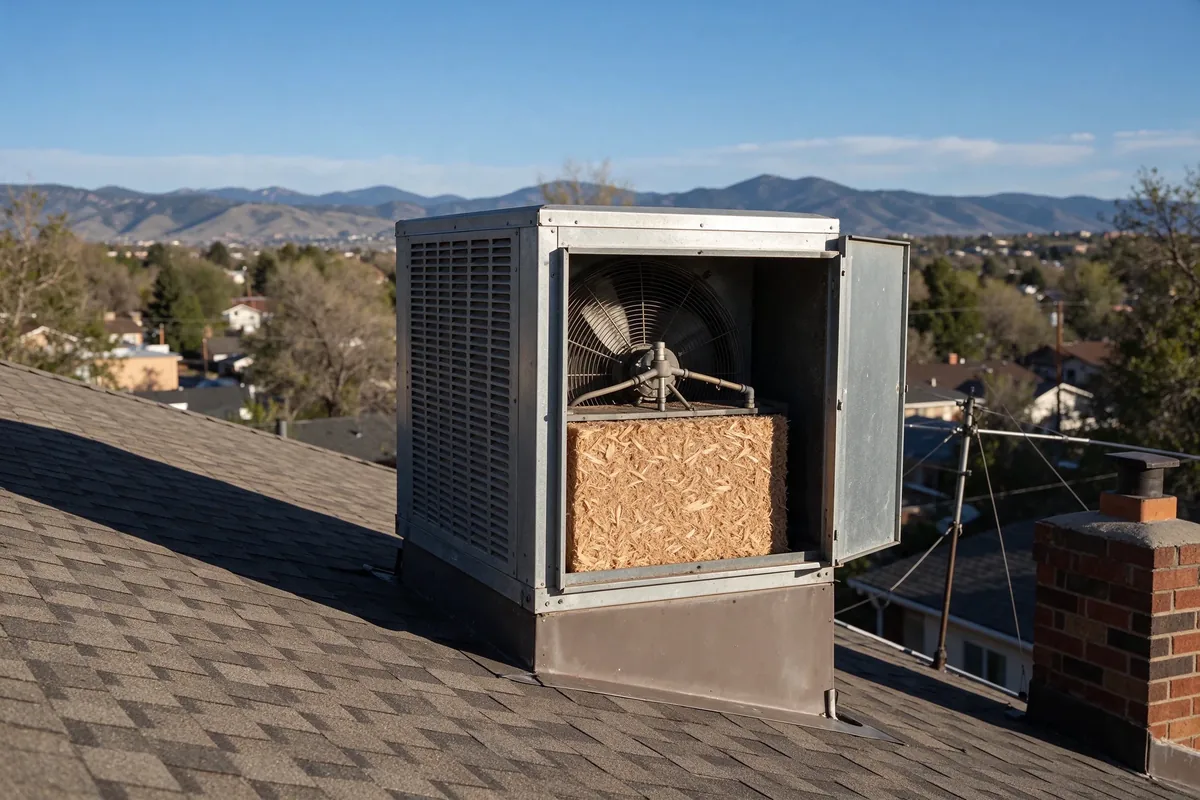
Swamp coolers are simple machines that fail in specific ways. We fix the water, the air and the pad — in that order.
See the detail
Heating · Cooling · Air quality
Furnace and AC repair done by people who measure first and replace second.
ComfortOak is a Denver heating and cooling shop working on the city's bungalows, Victorians, townhomes and small commercial spaces. We handle repairs, replacements, ductwork and air quality with the same approach: find the actual cause, explain it plainly, and fix it properly.
07:00 AM – 08:00 PM dailyDenver metroRepair, install, maintain
Why ComfortOak
We are not the largest shop in the metro, and that is deliberate. A small crew that knows the neighborhoods, remembers the houses and finishes what it starts is a better model for this work.
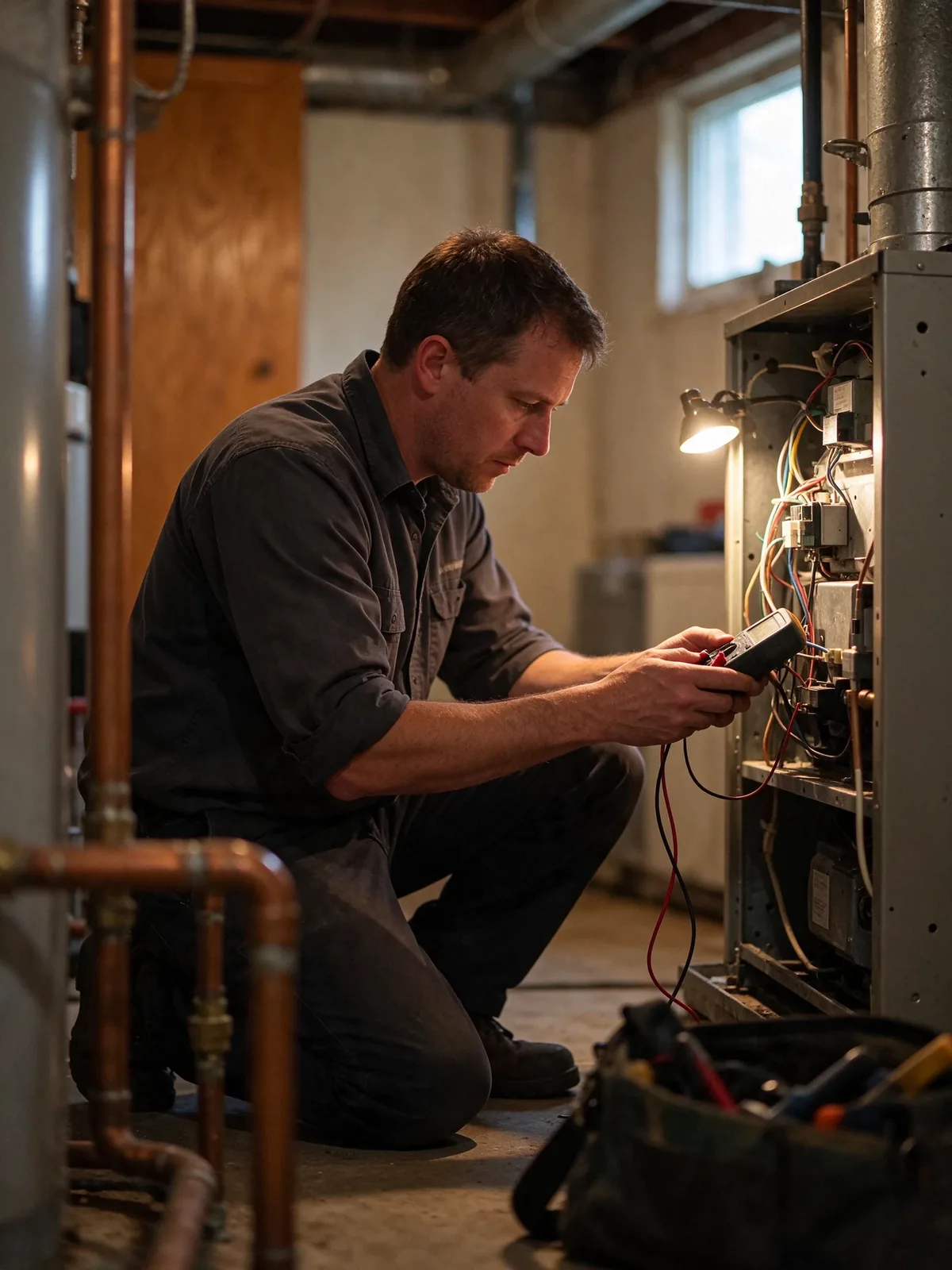
We measure static pressure, electrical draw and temperature split before recommending anything. That habit is why we replace fewer parts than the crews who guess — and why the repair tends to hold through the next season change.
Altitude changes combustion and airflow. Dry air changes humidity control. Older brick bungalows have duct runs newer subdivisions never see. We work in these conditions every week, not as an out-of-state dispatch desk.
You get a plain explanation of what failed, what it affects and what we did about it, with photos of the parts in question. No pressure to replace equipment that can be repaired properly.
What we work on
Every service below starts with a measurement and ends with a plain explanation. Choose the one that matches what your house is doing, or call and describe it — we will point you to the right page and the right next step.
01Swamp coolers are simple machines that fail in specific ways. We fix the water, the air and the pad — in that order.
See the detail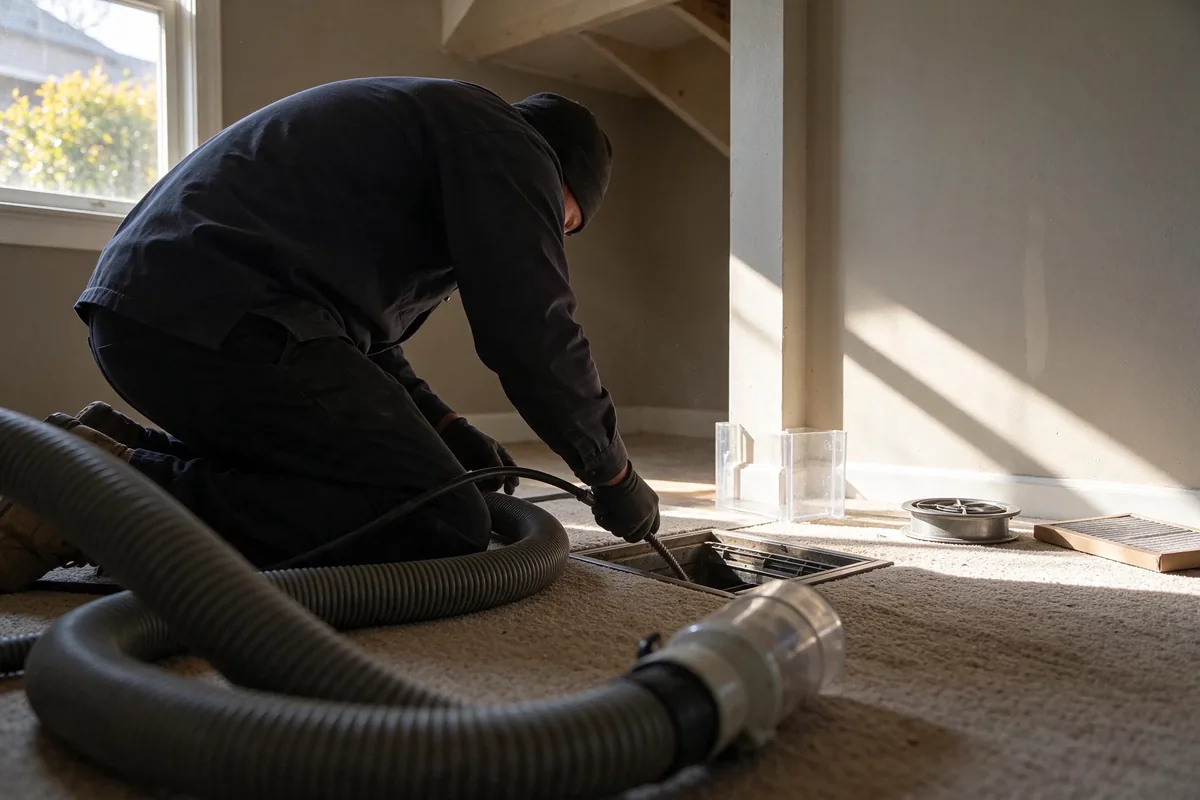 02
Source removal, not a fog of perfume. We clean the duct system, then show you what came out.
See the detail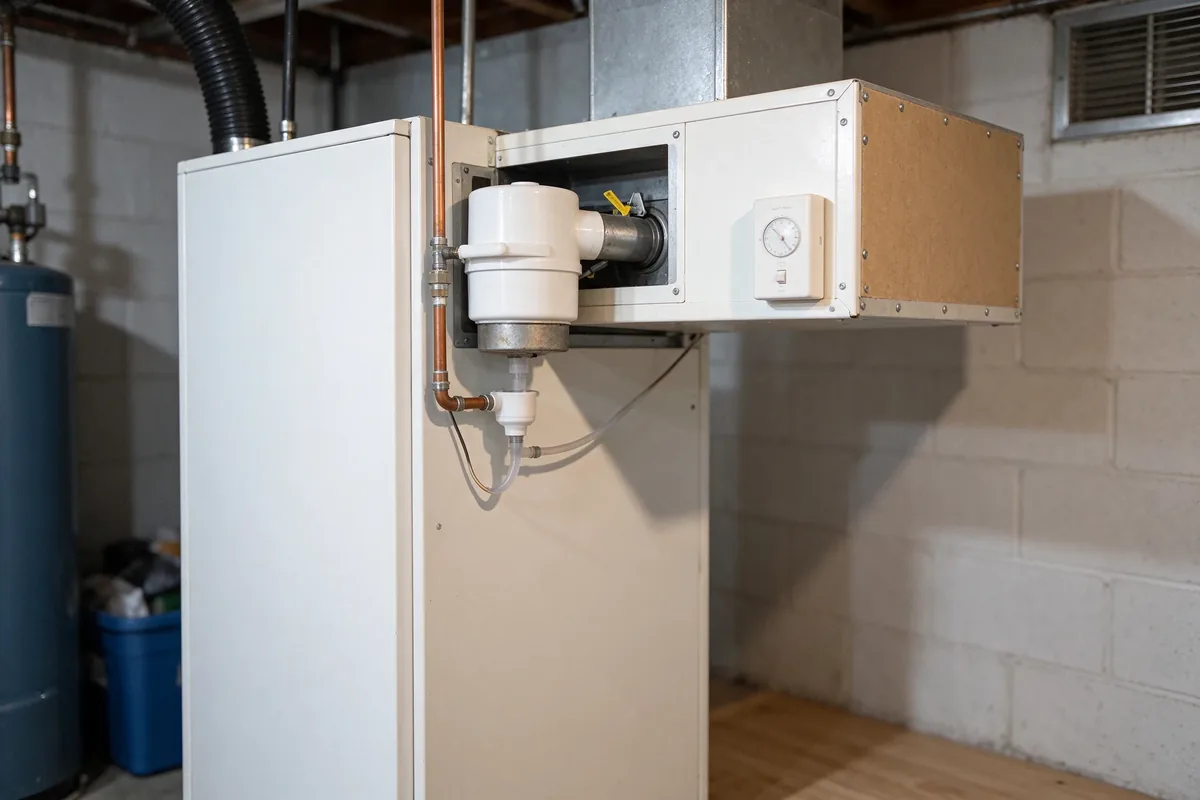 03
Winter air at fifteen percent humidity feels colder than the thermostat says. We fix that at the furnace.
See the detail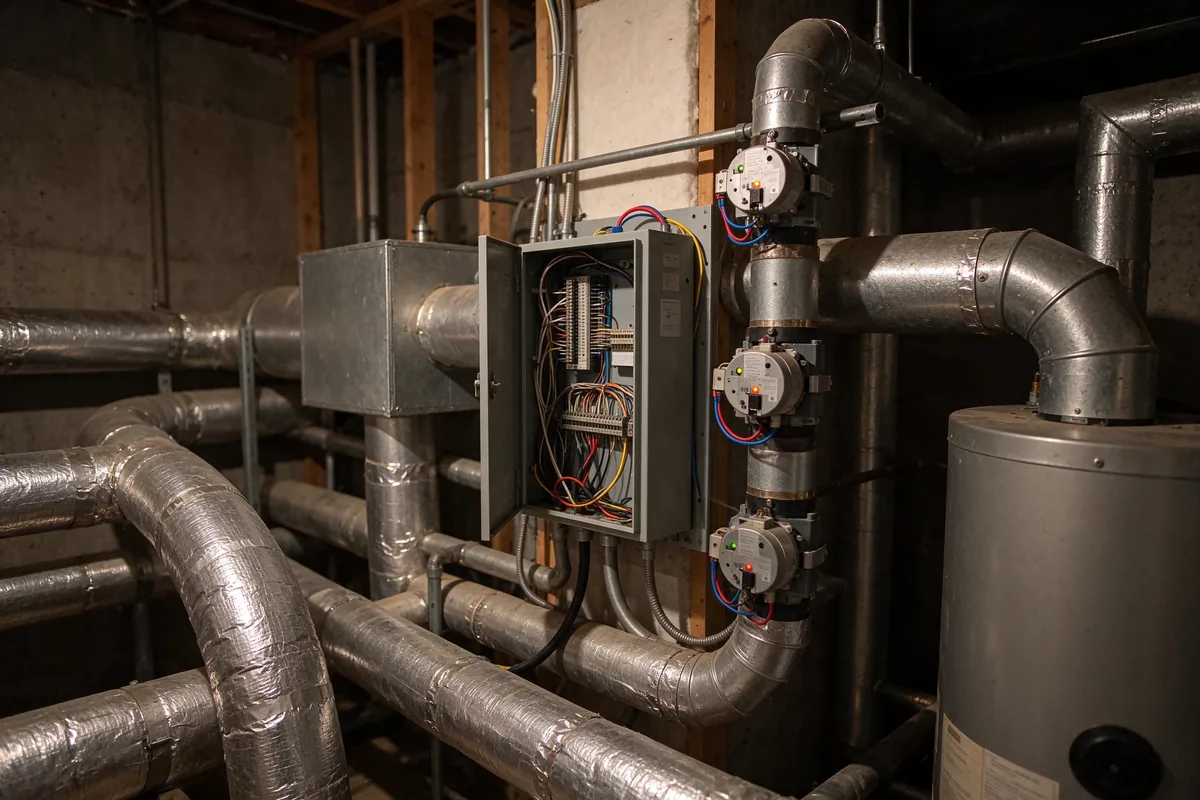 04
One thermostat for three floors is a compromise. Zoning ends it without replacing the equipment.
See the detail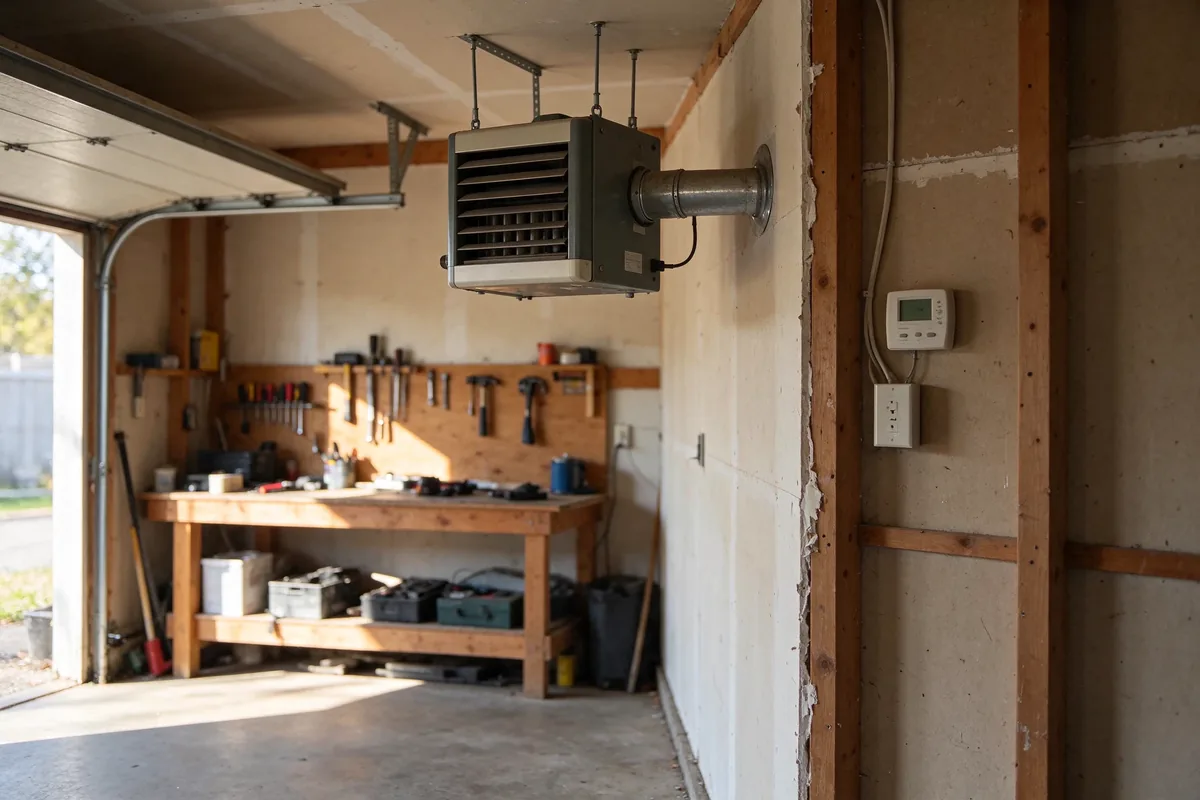 05
A workspace you can use in January, without heating the whole neighborhood.
See the detail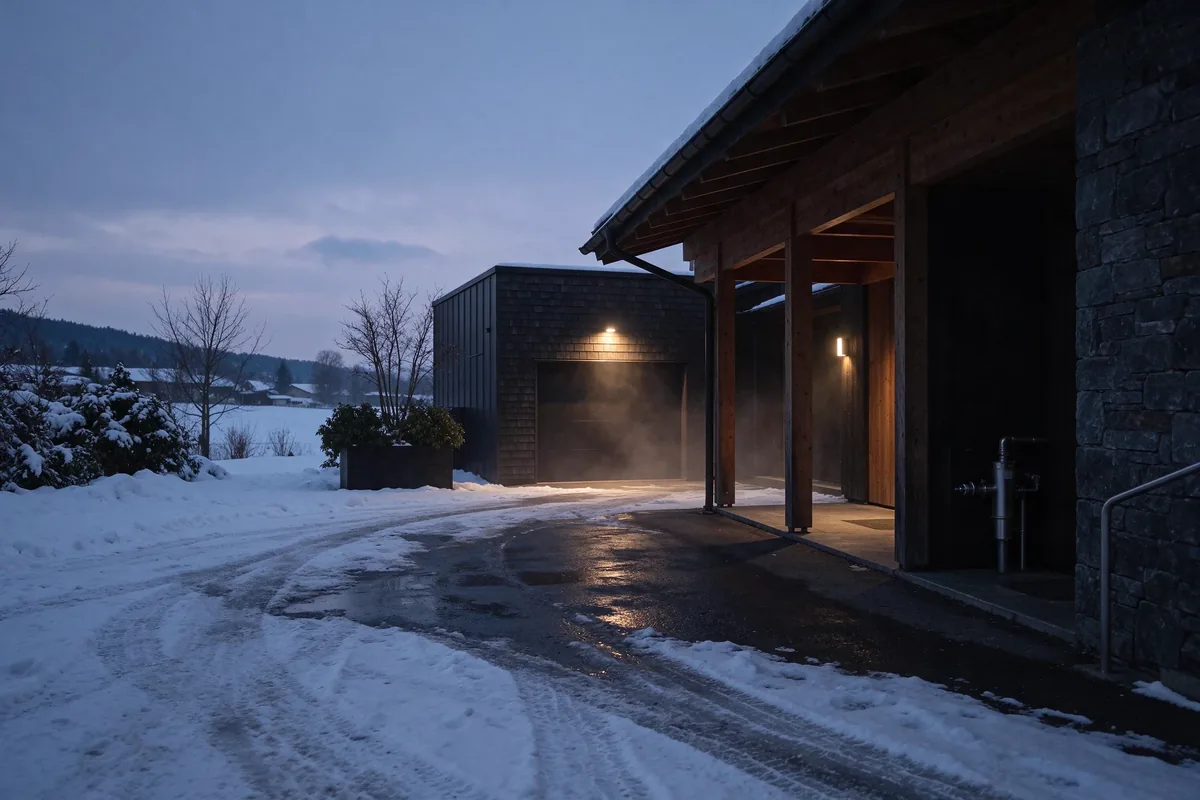 06
A driveway that clears itself before the first shovel comes out.
See the detail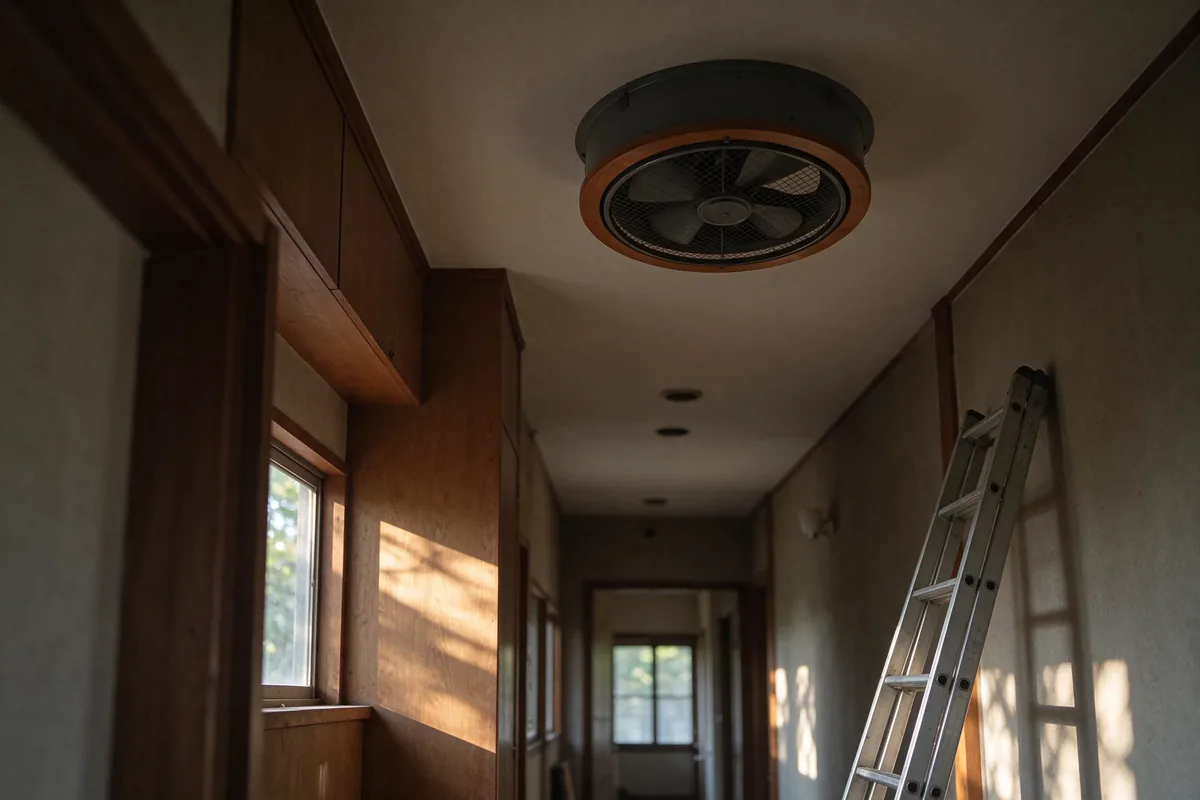 07
Cool a Denver evening with outside air instead of the compressor.
See the detail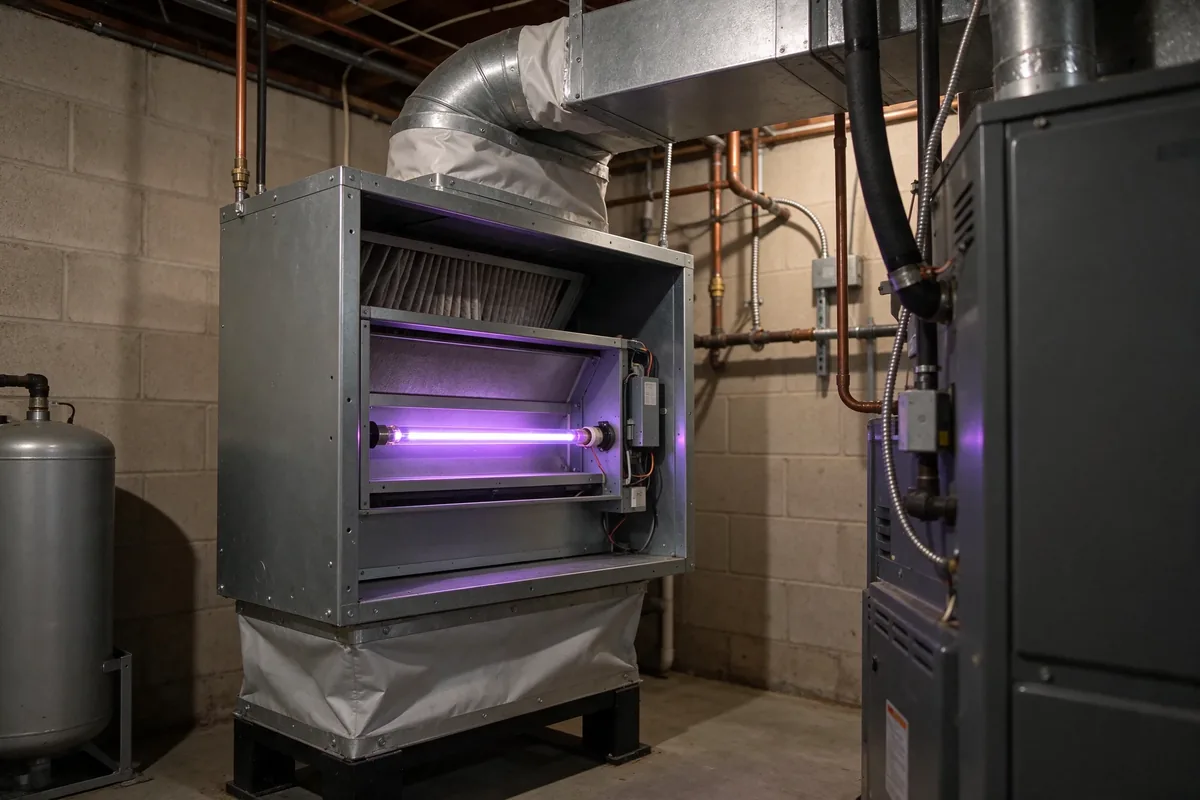 08
Filtration, UV and polarized media, chosen for the house rather than the brochure.
See the detailWhere we work
From Berkeley's bungalows to Green Valley Ranch's newer builds, the housing stock changes block by block. Each area page explains what we typically find there and which services come up most.
The shop behind the van
Altitude changes combustion. Dry air changes humidity control. Brick bungalows have duct runs that newer subdivisions never see. We work in those conditions every week, which is why our first question is about the house and not about the equipment.
That approach means we sometimes recommend a $200 airflow correction instead of a $9,000 replacement. It also means the repairs we do make tend to hold through the next season change, because we addressed the cause rather than the symptom.
Field notes
Practical write-ups on the failures we see most often, written for homeowners rather than for search engines.
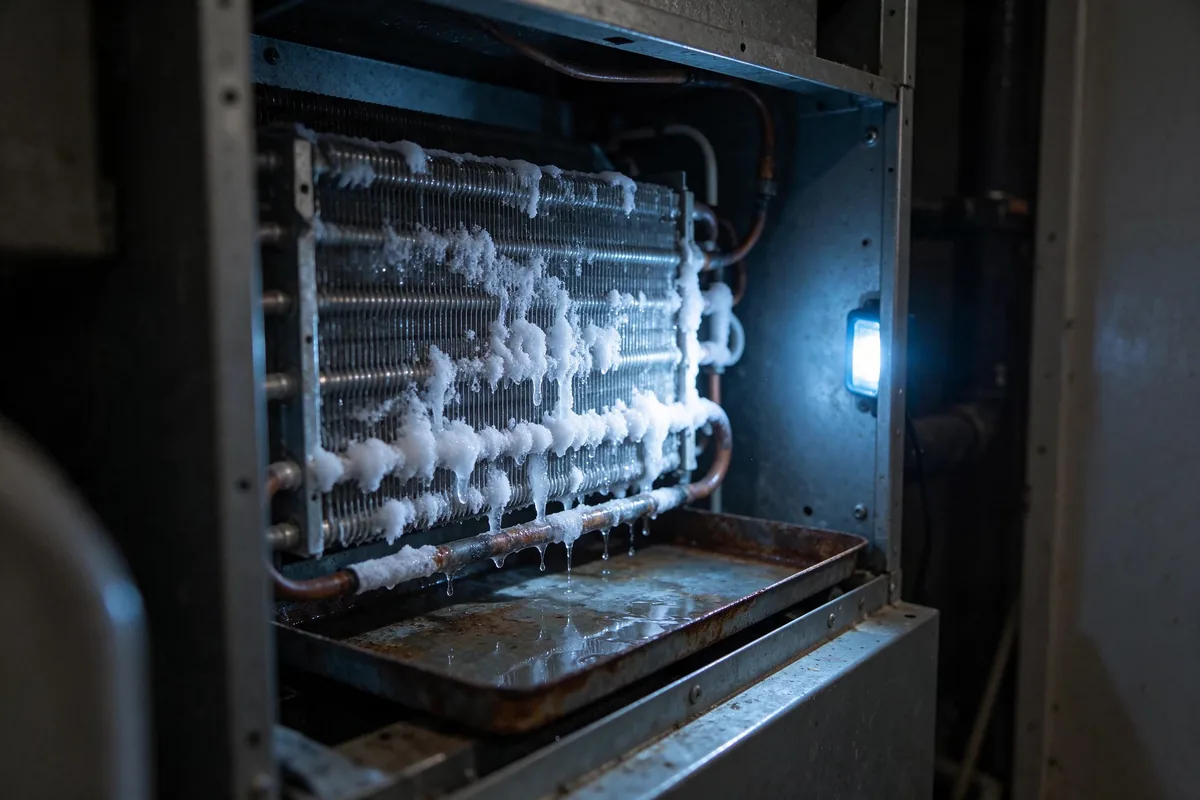
Ice on the refrigerant lines is not a refrigerant problem first. It is almost always an airflow problem wearing a winter coat.
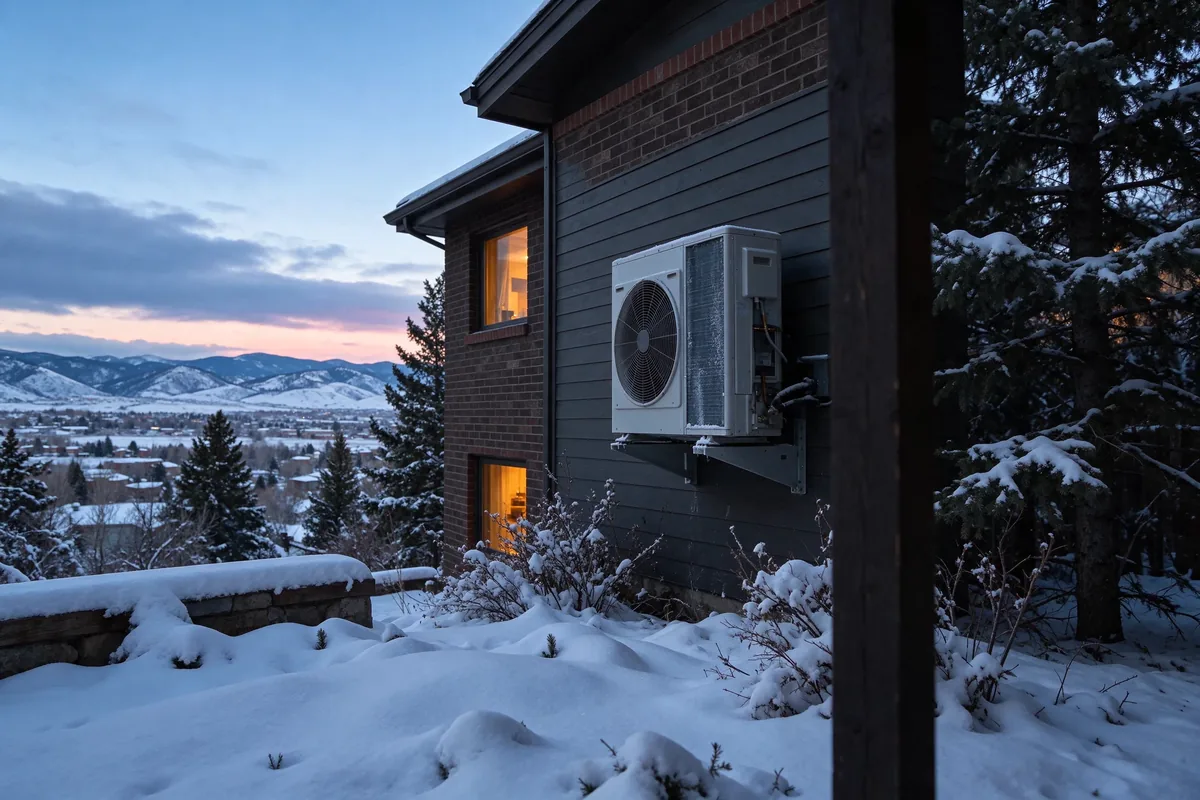
Denver is not the Arctic, but it is thin, dry and prone to fast swings. Here is how heat pumps actually behave here.
Before you call
These are the ten questions our dispatch desk hears most often. If yours is not here, call and ask — the person answering works on these systems too.
Most Denver addresses are reached the same day when you call during business hours, and always for no-heat or no-cooling calls. We confirm a window on the phone before dispatch.
Once in spring for cooling and once in early fall for heating suits most homes. High-altitude dust and heavy seasonal use make twice-yearly checks more useful here than a single annual visit.
Yes, with cold-climate equipment and correct staging. Denver's design temperatures still require backup heat on the coldest nights, and defrost settings must be commissioned, not left at factory defaults.
Rooms that never match the thermostat, dust around registers, whistling grilles and high utility bills together point to leakage. A pressure test confirms it before any work begins.
Size comes from a room-by-room load calculation that accounts for altitude, window orientation and insulation. Square footage alone routinely oversizes equipment and shortens its life.
Usually airflow or ignition, not the thermostat. A clogged filter, failing blower, dirty flame sensor or blocked return can all leave a furnace running without delivering heat.
Condensing furnaces need a drain path, PVC venting with correct slope, and combustion air sized to the room. Missing any of those causes nuisance trips and premature failures.
Ice almost always means restricted airflow or low refrigerant. A dirty coil or filter can do it; so can a slow leak. We test both before adding anything to the system.
Yes. Circulator pumps, zone valves, expansion tanks, pressure controls and full boiler replacements are routine work for us in Capitol Hill, Baker and similar neighborhoods.
Yes. We combine media filtration with humidity control and, where the house is tight, balanced ventilation so smoke, dryness and stale air are handled together rather than one at a time.
Denver · 07:00 AM – 08:00 PM
Tell us what the thermostat is doing and we will put a Denver technician on it. Calls are answered by people who work on these systems every day.